Toward a New Frontier in Electrified SUVs—The Evolution Embodied by the Xforce HEV
HEV Development Story (Part3)
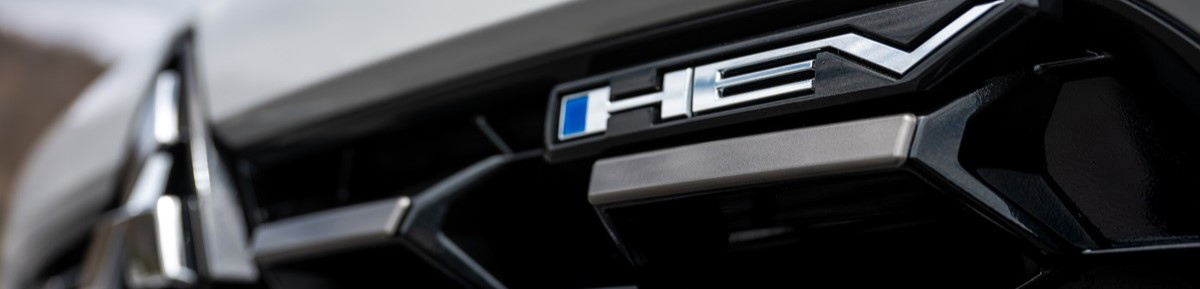
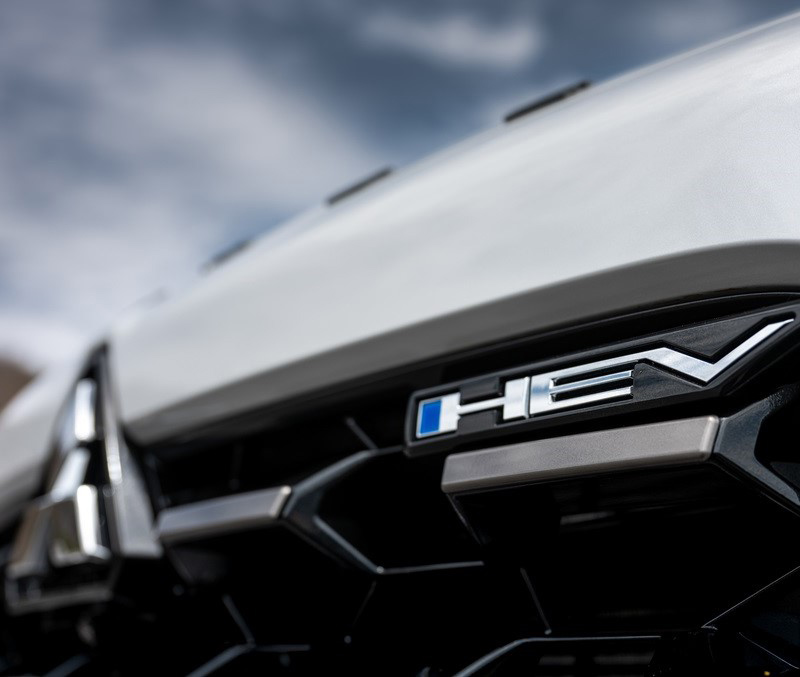
Building on the innovation in HEV development that began with the Xpander HEV, Mitsubishi Motors further expanded its vision with the next-generation compact SUV, the Xforce HEV. The focus was on how far the company’s strength in “robust SUV capability” could be refined.
This project, which can be described as the culmination of Mitsubishi Motors’ electrification technologies, faced this challenge head-on.
The Pursuit of “Authentic SUV Capability” That Started from the Xpander HEV
While most compact SUVs sold in the ASEAN market are primarily front-wheel-drive vehicles, many are not designed to withstand sustained driving on rough roads and can suffer damage under such conditions. Mitsubishi Motors, however, has consistently pursued “authentic SUV capability,” guided by the belief that its vehicles should enable anyone to drive safely and with confidence on any road while protecting their families.
Ensuring that even a compact SUV can fully meet customers’ expectations for off-road performance was a commitment the development team refused to compromise on. With the recently launched Xpander HEV, Mitsubishi Motors championed the idea that an SUV should be more than just rugged styling—it should possess the capability to traverse rough roads without damage, even in a front-wheel-drive configuration.
That same philosophy remains firmly at the core of the XFORCE HEV.
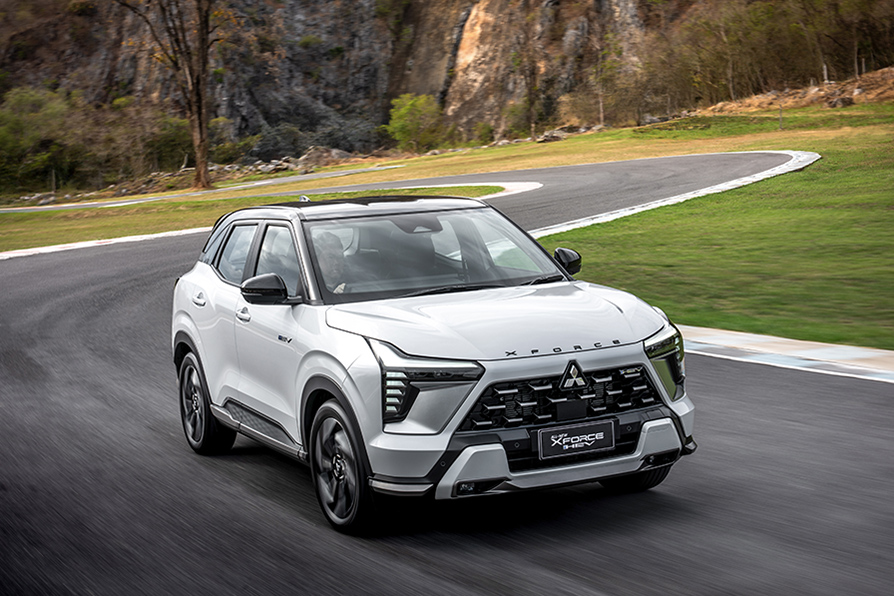
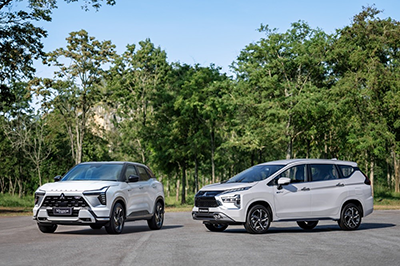
Xforce HEV
So, how can we create a “car that never breaks down”? Makoto Kamihira, head of overall development, believes the key to achieving a “durable vehicle” lies not only in hardware strength but also in software that detects and manages behavior just before failure occurs. Traditional ABS and ASC systems operate within fractions of a second, but that is not fast enough to prevent damage on rough terrain. Faster response was essential—but excessive restriction with a focus on protection could reduce drivability on rough roads.
The design and development team carefully identified the precise boundary for achieving protection without sacrificing road handling performance. Extensive real-world testing in Thailand by Thanitsorn Sinphattanakorn (nicknamed “Shine”, who was responsible for real-world driving tests at Mitsubishi Motors (Thailand) Co., Ltd. (MMTh))’s team and large-scale data analysis by Toshifumi Mizui, who oversaw the development of the electric powertrain, ensured that the final product would meet customer expectations in real driving conditions.
Furthermore, the key to delivering the four-wheel-drive performance that Mitsubishi Motors had refined through its participation in the FIA World Rally Championship (WRC) with a front-wheel-drive vehicle was the adoption of advanced motor control and Mitsubishi Motors’ proprietary integrated vehicle dynamics control technology, centered on Active Yaw Control (AYC).
We believed that by leveraging a vehicle package that maintained approximately 200 mm of ground clearance while achieving a lower center of gravity than conventional gasoline-powered vehicles through the placement of the heavy drive battery beneath the seats at the center of the vehicle, and by integrating control of the motor, engine, and brakes, we could deliver superior performance to competing vehicles in Thailand’s highly demanding and constantly changing road conditions.
The Next-Generation HEV: A Product of Technological Innovation and Organizational Transformation
By combining local insights from Thailand with Japanese technology to create a hybrid system that optimally integrates an electric motor and an internal combustion engine, The Xpander HEV achieved fuel efficiency improvements of approximately 34% in city driving and 15% overall compared to gasoline models (both NEDC*1), delivering practical value in ASEAN markets where long-distance travel and multi-passenger use are common.
In addition, by designing the front seat area and underfloor structure specifically for this model, we have ensured collision safety; this goes beyond simply pursuing fuel efficiency and also enhances value by taking actual usage conditions into account.
The Xforce HEV pushes efficiency even further, achieving 24.4 km/L (NEDC), a class-leading figure. Key advances include a shift from a wet multi-plate clutch to a low-friction dog clutch and the ability to completely disconnect the motor during high-speed cruising to reduce resistance.
The engine, based on the same 1.6L MIVEC used in the Xpander HEV, has been further enhanced for higher output and achieves over 40% thermal efficiency, contributing to improved fuel economy.
What Thai customers value most in hybrid vehicles is fuel efficiency. No matter how excellent the driving performance may be, a vehicle with poor fuel efficiency will not be chosen. The Xforce HEV has certainly met the demanding needs of the Thai market. In addition, by adopting a transaxle with two-stage reduction ratios, it ensures powerful acceleration at low speeds while delivering a quiet and efficient ride at high speeds.
- :A notation based on test methods used to measure a vehicle’s fuel economy and CO2 emissions. Commonly used in Thailand.
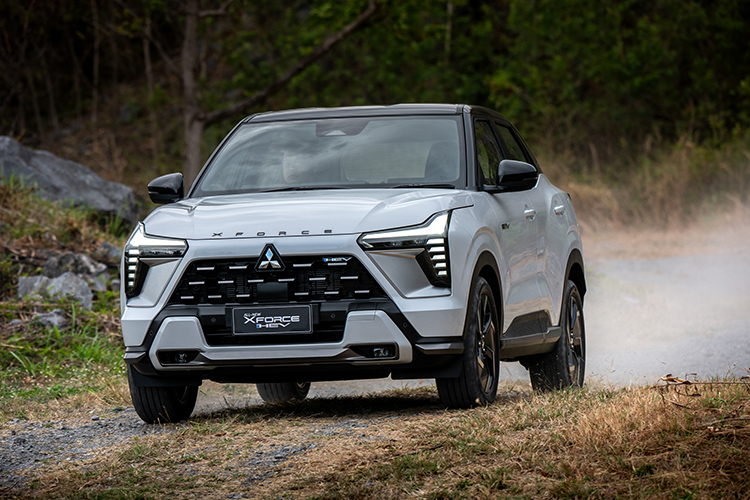

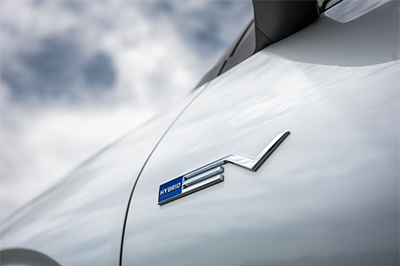
The “Xforce HEV” and “Xpander HEV,” equipped with a hybrid system that balances fuel efficiency and driving performance
Moving Electrified Vehicle Development Forward
“This is a car that enables drivers and passengers to travel in comfort and to confidently venture onto unknown roads,” says Kamihira with confidence. “Whether you are an experienced driver or someone who lacks confidence behind the wheel, the vehicle supports and protects you, helping ensure that you reach your destination safely. There is no other vehicle quite like it.”
Mizui adds, “The knowledge gained from HEV development can be fed back into PHEVs, raising the overall level of our electrified vehicles going forward.”
Shine concludes: “The appeal of Mitsubishi vehicles is that they are fun to drive on any road. I am truly happy that Thai customers can now experience this with the Xforce HEV. We felt the result turned out very well, but the response from our Thai customers exceeded our expectations. In fact, I bought one myself.”
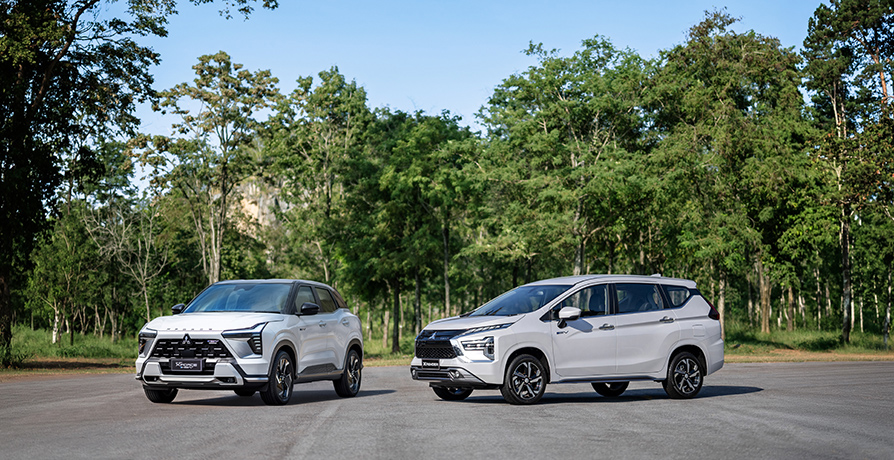
Together, their words highlight that the Xforce HEV is not just a new model, but a milestone that elevates Mitsubishi Motors’ electrification development to the next stage. The EV and PHEV technologies that Mitsubishi Motors had built up over many years were sharpened and further enhanced through HEV development, opening a new chapter in the company’s electrification journey.
-

-
Makoto Kamihira
Leads HEV/PHEV development. Previously worked on the Outlander PHEV, Eclipse Cross PHEV, Xpander HEV, Xforce HEV, and Lancer Evolution X.
-

-
Toshifumi Mizui
Responsible for vehicle driving system development. Led real-world quality validation testing in Thailand and demonstrated HEV system reliability through data analysis. Also served as a liaison between departments, providing technical briefings to MMTh sales teams and technical support for media test-drive events.
-

-
Thanitsorn Sinphattanakorn (“Shine”)
Responsible for vehicle dynamic performance evaluation. Provided early feedback on Thai driving conditions and market demands, and supported local quality testing and product promotion to the media.
Related Content
The Story of Next-Generation Electric Vehicle Development
July 2026

