Digital Development and Real-World Driving Open Up a New Form of Hybrid Vehicles
HEV Development Story (Part 1)
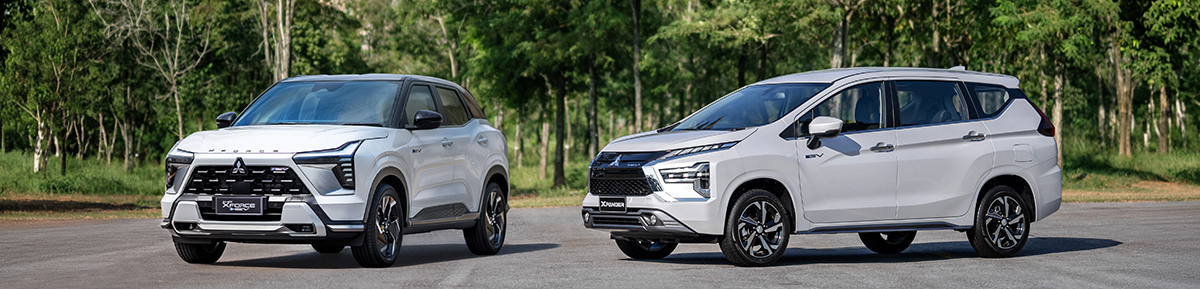
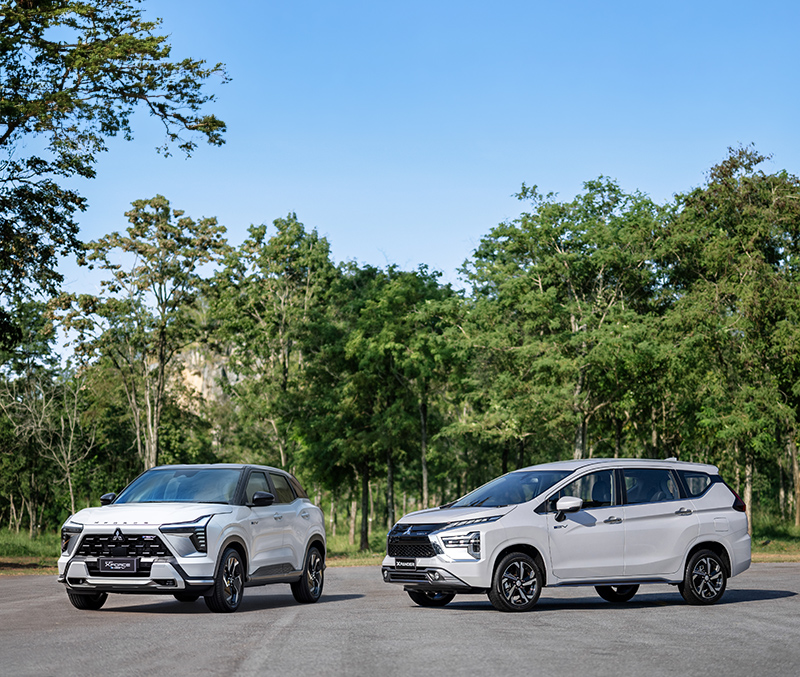
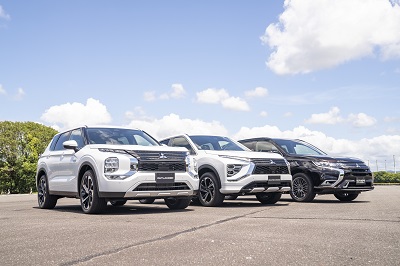
Mitsubishi Motors has steadily built its own unique technologies and philosophy centered on electrified driving, through the development of mass-produced electric vehicles (EVs) such as the i-MiEV and plug-in hybrid EVs (PHEVs) such as the Outlander PHEV. In order to expand this lineage of electrification to a broader market, the company began taking on the full-scale challenge of introducing hybrid electric vehicles (HEVs) in the ASEAN region. Leading this effort was the Xpander HEV, launched in Thailand in 2024. With the Xforce HEV scheduled for introduction in 2025 and major improvements underway for the Outlander PHEV during the same period, the electrified vehicle development team had to tackle next-generation technologies with an unprecedented level of density and speed.
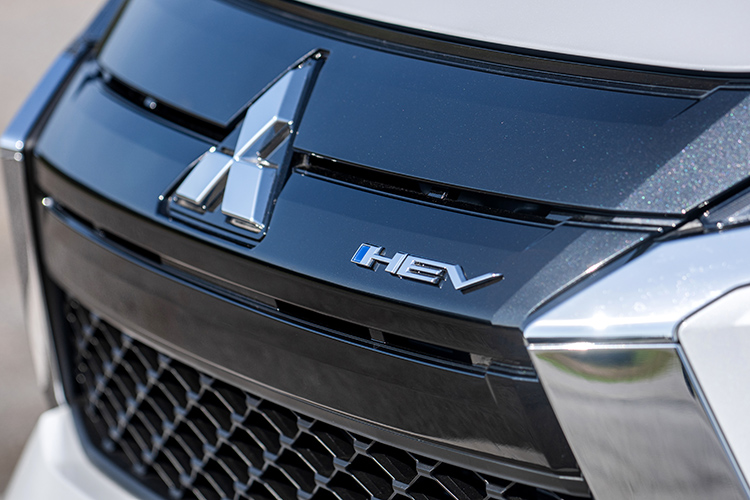
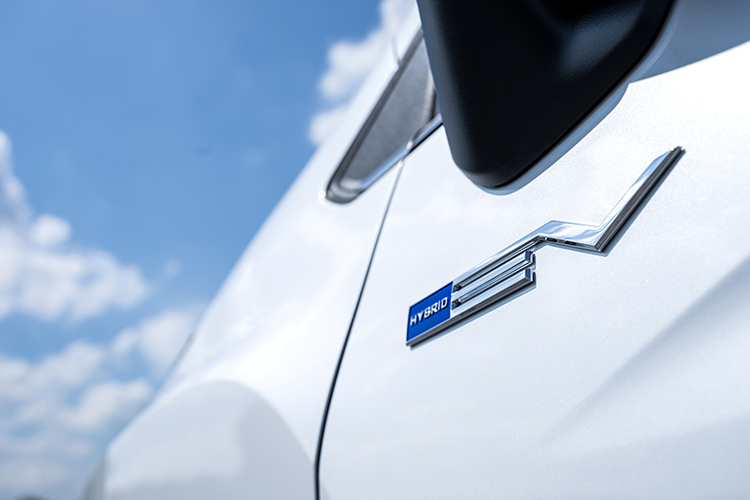
The Challenge of Achieving an “EV-like” Driving Experience with a Small Battery
While PHEVs, which are designed for external charging, are equipped with large-capacity batteries similar to EVs, HEVs, which do not rely on external charging, are equipped with much smaller drive batteries. The biggest challenge, therefore, was how far the “EV-like” driving experience cultivated in EVs and PHEVs could be reproduced within the limits of this restricted battery capacity.
At the early stage of development, employees who had previous success with PHEVs believed it would be simple: “just make the PHEV battery smaller” or “since PHEVs also have a hybrid mode, it should be easy.” However, these assumptions were quickly overturned. Makoto Kamihira, who was involved in the first-generation Outlander PHEV and the Eclipse Cross PHEV and later led development of the latest 2025 Outlander PHEV, reflected on the HEV project: “There was a far higher barrier than we had imagined.”
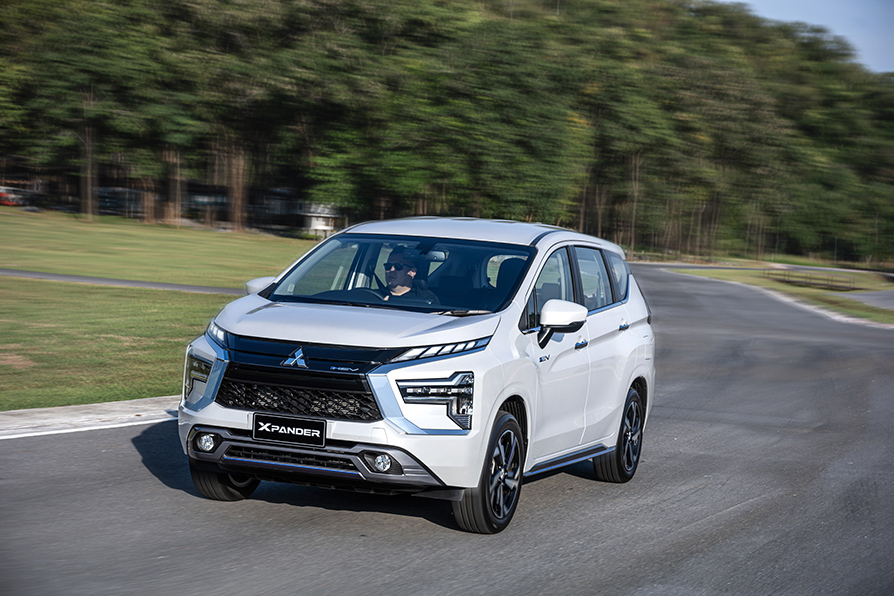
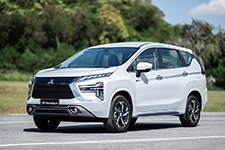
The “Expander HEV,” Mitsubishi Motors' first full-fledged hybrid
As computer-based analysis progressed from the early phase of development, carefully verifying each requirement needed to make an HEV viable, it became clear that HEVs faced fundamentally different challenges than PHEVs.
“PHEVs had sufficient battery capacity to maintain an ‘EV-like’ driving feel, but HEVs, with only about one-twentieth the battery capacity, inevitably have many more situations where the engine must operate. Under such conditions, achieving smooth, powerful, and responsive performance like an EV is extremely difficult. We realized that was why there were virtually no HEVs in the world that truly drove like EVs.”
While leveraging the technologies of the Outlander PHEV, which have been highly regarded in the global market, it became clear that simply extending PHEV development would not bring to life the HEV Mitsubishi Motors envisioned. Moreover, the ASEAN market—particularly Thailand—has road environments that differ completely from those in Japan. Main urban roads are generally well maintained, yet patches of concrete surfaces can become slippery even with a little rain, and heavy tropical downpours can quickly flood paved roads. Step just outside the city, and unpaved roads under construction are common; under sudden squalls, dirt roads instantly turn into muddy tracks where tires can easily lose grip. Achieving both durability and reliability for safe driving under such harsh conditions, while also delivering EV-like smoothness, proved to be an immense challenge.
It was clear that conventional development approaches alone could not achieve both EV-like smoothness and the practicality and durability required for ASEAN roads within a limited timeframe. Kamihira therefore set a clear direction for reform in electrified vehicle development to reach the answer as quickly as possible: strongly promote digital development, and, because the vehicles would be sold in ASEAN, establish a full-scale collaboration system with the development team in Thailand, who thoroughly understand local customers and road conditions, in order to verify performance through real-world testing.
Refining Performance Through Data and Real-World Driving
A key role in this reform was played by Toshifumi Mizui, who oversaw the entire electric powertrain at the EV & Powertrain Advanced Development Department, and Thanitsorn Sinphattanakorn (nicknamed “Shine”), who was responsible for real-world driving tests at Mitsubishi Motors (Thailand) Co., Ltd. (MMTh).
Mizui describes the particular challenges of HEV development as follows:
“Most competing HEVs are developed starting from the premise that they are engine-driven vehicles. However, as a Mitsubishi Motors electrified vehicle, we must deliver an ‘EV-like’ experience. Even when the engine is running, it is extremely important that the driver does not perceive it. Determining when to start the engine and at what speed to increase its rpm directly affects the quality of driving, so each parameter required meticulous tuning. Reaching the optimal balance inevitably requires an enormous number of trials. That is why we had no choice but to continue refining our simulation technologies.”
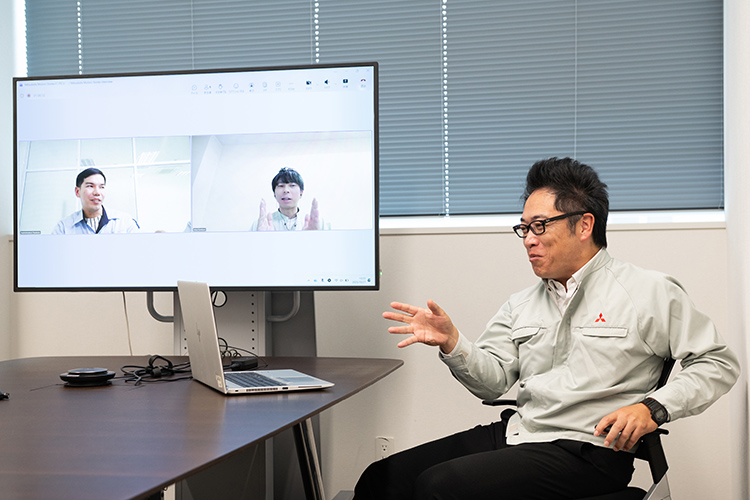
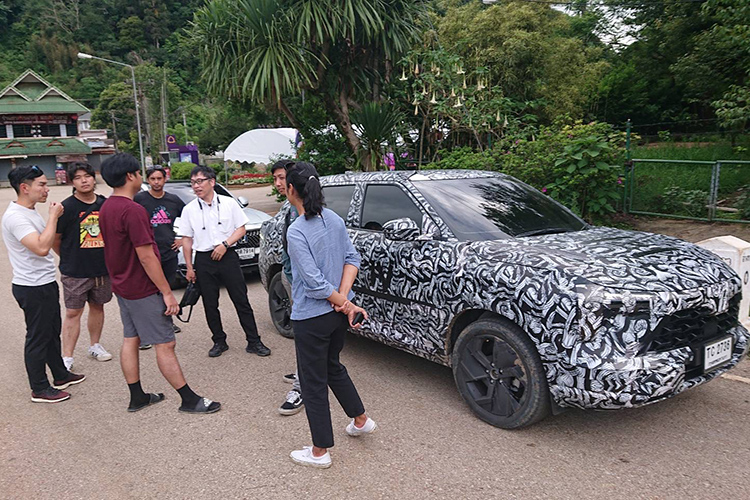
Testing simulation-optimized test vehicles on public roads
The optimized test vehicles based on Mizui’s simulations were then driven more than 100,000 kilometers on real roads in Thailand by Shine. He emphasized the importance of communicating insights based on having grown up in Thailand, conveying traffic conditions and driving sensibilities from a uniquely Thai perspective.
“From the Japanese side, there may have been points they questioned. Even so, they sincerely listened to our feedback and properly reflected it in the development direction and control algorithms. I am truly grateful for that attitude.”
At first, there were moments of skepticism in Japan about whether feedback from Thailand was entirely accurate. However, when compared with actual driving data, Shine’s input proved to be remarkably precise and consistently served as critical evidence that shaped development decisions.
-
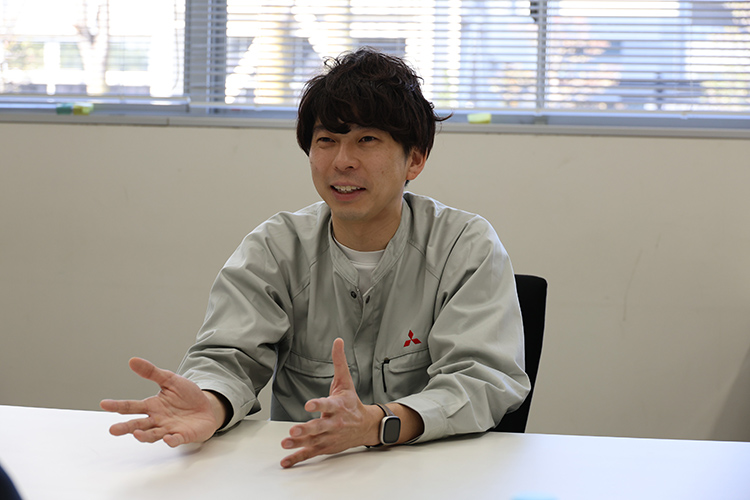
Mizui, Simulated in Japan
-
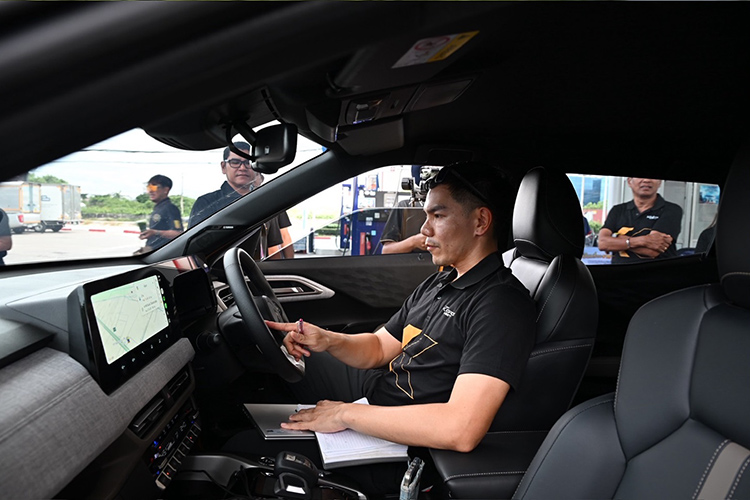
Shine Testing on Real Roads in Thailand
More than 100,000 kilometers of real-world driving data were sent daily to Japan and analyzed by Mizui. However, it was not realistic to review such an enormous volume of data manually. Therefore, a new data analysis tool itself was developed. This system made it possible to understand “what happened on site” within a matter of hours. Based on this data, the development team in Japan could immediately begin discussions, implement necessary countermeasures, rewrite software, and then have Shine verify the results again on Thai roads—creating a high-speed development loop that continued without interruption.
By combining big data analyzed by Mizui with the real-world driving data accumulated by Shine, a new HEV system reliability testing framework was established. This significantly brought the team closer to realizing an HEV capable of running smoothly like an EV even in Thailand’s harsh road environments.
-

-
Makoto Kamihira
Leads HEV/PHEV development. Previously worked on the Outlander PHEV,
Eclipse Cross PHEV, Xpander HEV, Xforce HEV, and Lancer Evolution X.
-

-
Toshifumi Mizui
Responsible for vehicle driving system development. Led real-world quality validation testing in Thailand and demonstrated HEV system reliability through data analysis. Also served as a liaison between departments, providing technical briefings to MMTh sales teams and technical support for media test-drive events.
-

-
Thanitsorn Sinphattanakorn (“Shine”)
Responsible for vehicle dynamic performance evaluation. Provided early feedback on Thai driving conditions and market demands, and supported local quality testing and product promotion to the media.
Related Content
The Story of Next-Generation Electric Vehicle Development
July2026

