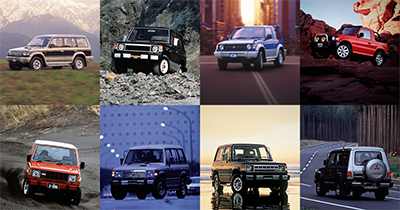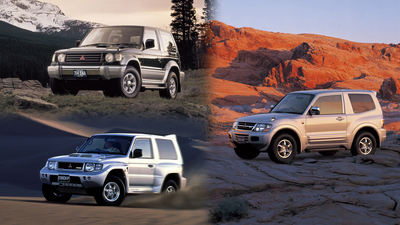
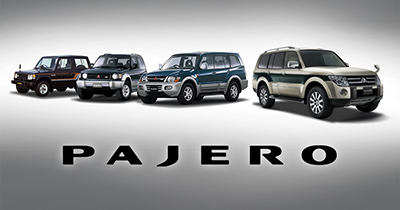
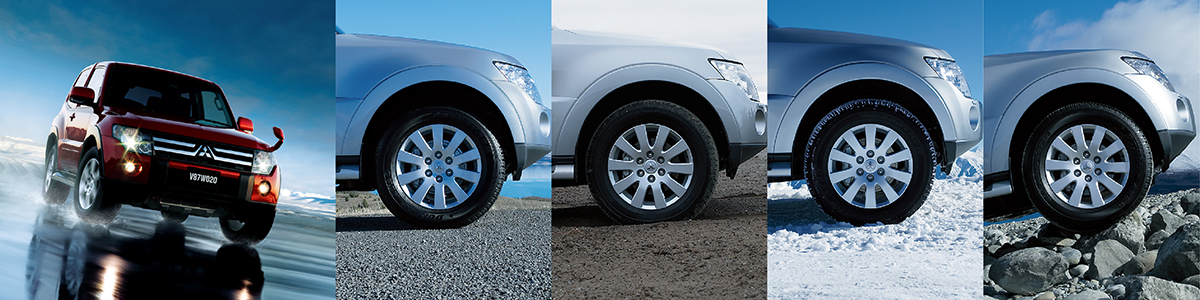
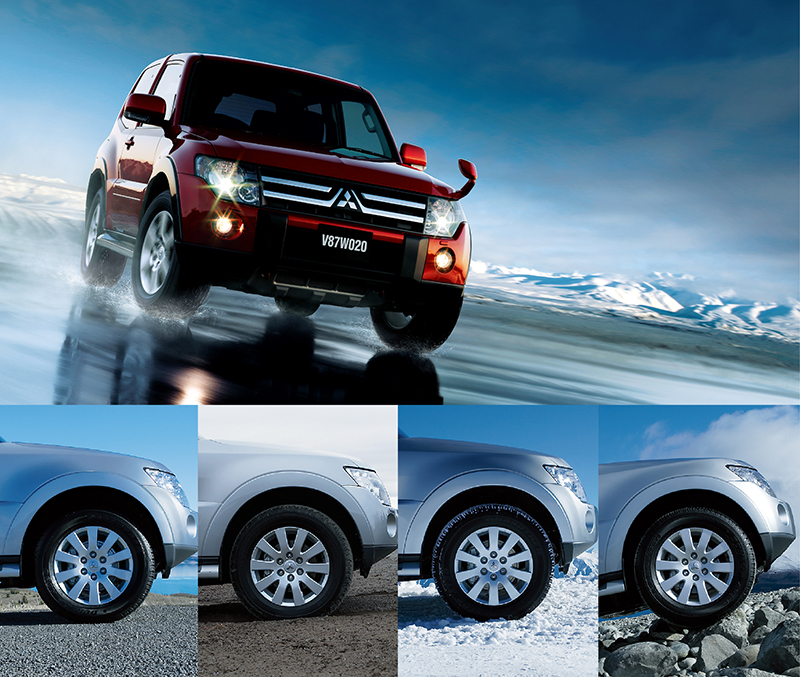
Having established a new foundation in its third generation, the Pajero continued to evolve with the fourth-generation model. Although its exterior design returned to the bold character of the original Pajero, the vehicle itself was not a return to the past. Instead, development focused on further refining the body structure, suspension and core technologies introduced in the third generation. The fourth-generation Pajero was developed in pursuit of a single ideal.
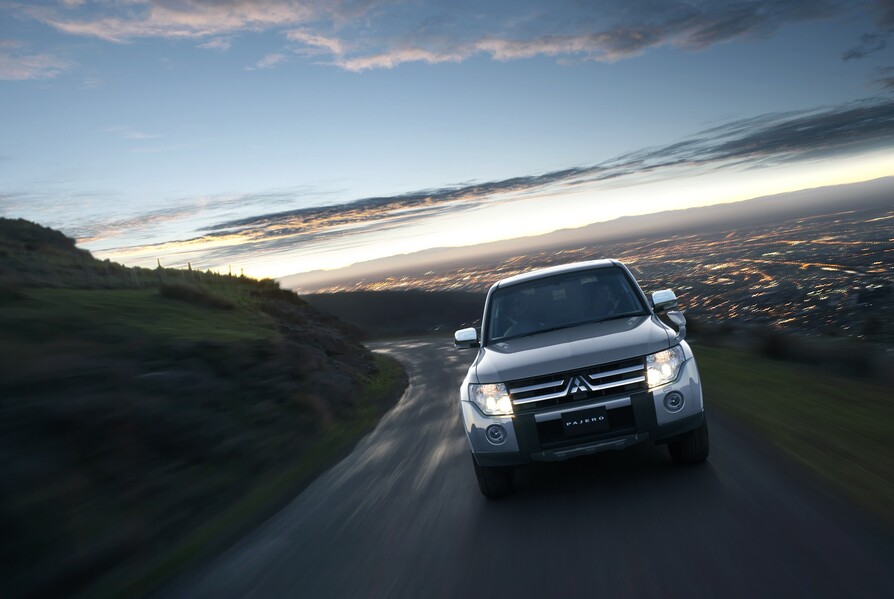
Pursuing a Single Ideal
Pushing Beyond the Limits of Mechanical Engineering
The Fourth-Generation Pajero Realizes a Long-Held Vision
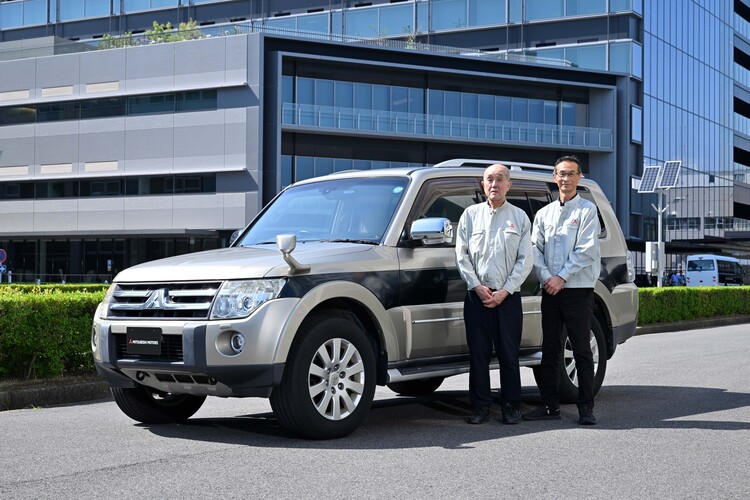
Looking back on the development of the fourth-generation Pajero, Yoshiki Nishioka recalls the immense effort that went into refining every aspect of the vehicle.
“We practically redesigned the suspension from the ground up. We wanted a better ride, better handling, and sharper initial response. To achieve that, we worked through extensive evaluations and some very tough feedback from our test drivers, refining the vehicle step by step.”
Rather than simply changing the suspension, they also took a fresh look at the body structure supporting it. Since the third-generation model had been equipped with independent suspension on all four wheels and a new body structure, the challenge for the fourth-generation was how fully that potential could be realized.
The objectives were ambitious: improve ride comfort, enhance handling, and sharpen the vehicle’s response to driver inputs. Yet the development philosophy remained unchanged. Rather than sacrificing one attribute to improve another, the team sought to elevate every aspect of vehicle performance together. The fourth-generation Pajero also marked another major step forward: the full-scale integration of advanced electronic control technologies. One notable example was the successful combination of Active Stability & Traction Control (ASTC) and a rear differential lock.
“Traditionally, differential locks and stability control didn’t work particularly well together. In the fourth-generation, however, we succeeded in integrating their control systems. We were able to generate strong traction when necessary while maintaining stable handling characteristics, using selective brake intervention when conditions required it. As a result, off-road capability advanced even further.”
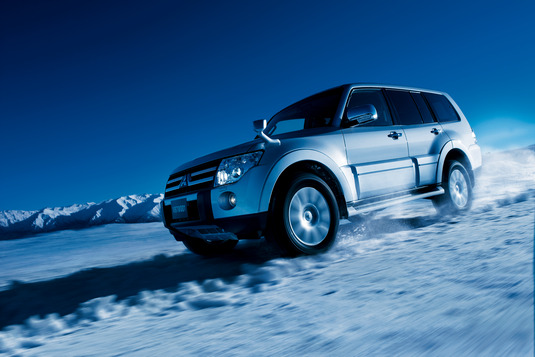
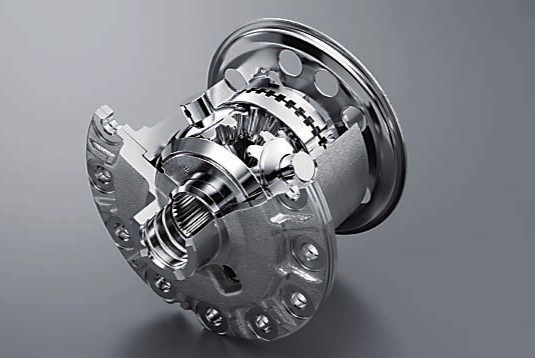
The combination of a rear differential lock and ASTC further improved off-road capability.
With previous generations of the Pajero, off-road performance had been refined primarily through mechanical systems such as the suspension, four-wheel-drive system, and differential locks. With the fourth-generation, however, the integration of electronic controls opened up new possibilities that would have been difficult to achieve with mechanical controls alone.
Hiroshi Funo still remembers his first experience with these technologies.
“What was fascinating was that there were situations where electronic traction control could provide better wheelspin recovery than a differential lock. At the time, it felt like an entirely new world. Even today, if you drive a fourth-generation Pajero, the benefits of the independent suspension really shine through, and it handles exceptionally well when driving at a slightly faster pace on rough roads.”
The introduction of electronic controls did not diminish the importance of the vehicle’s underlying mechanical systems. On the contrary, those technologies could only perform at their best because the basic foundations, namely the body structure, suspension, and four-wheel-drive system, had already been so thoroughly engineered.
Yet beyond its technology, the fourth-generation Pajero retained something less tangible but equally important: the character that had defined the model since the beginning.
Nishioka describes the feeling succinctly.
“When you drive it in 2H mode (rear-wheel drive), it still gives you a sense of reassurance. The engine’s weight isn’t pushed too far forward, and when you’re driving on rough surfaces, it just feels right.”
The experience of driving a vehicle cannot be fully expressed in figures alone. The confidence that comes from being able to control a vehicle precisely in challenging conditions was another quality that every generation of the Pajero had sought to refine.
In many respects, the fourth-generation model represented the fullest expression of everything the development team had achieved up to that point.
Reflecting on the development process, Nishioka says:
“I truly believe we did everything that was possible at the time. After that, electronic control technology advanced tremendously and created even more possibilities. But those technologies are only effective when they’re built on a strong foundation.”
Funo echoes that view.
“The value that the Pajero provides has never changed. Whether the structure is body-on-frame or monocoque isn’t what matters most to customers. What matters is that the vehicle performs well and allows people to drive with confidence and peace of mind.”
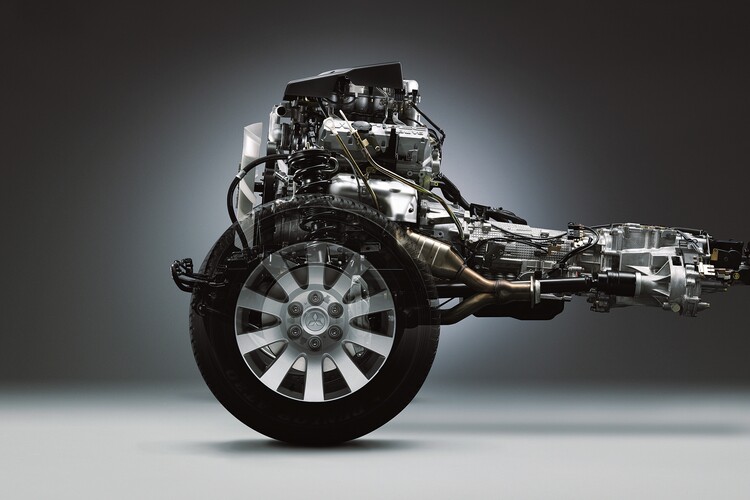
The Pajero continued to feature its traditional front-midship layout.
Carrying the Pajero Name Forward
Some Things Cannot Be Passed Down Through Technology Alone
The Pajero was sold in more than 170 countries and regions around the world and claimed 12 overall victories in the Dakar Rally.
Yet when Nishioka and Funo reflect on the vehicle they helped develop, they speak less about achievements and accolades than about the responsibility that comes with carrying the Pajero name.
One memory, from a visit to an overseas sales office, has remained particularly vivid for Nishioka.
“It was the same when I went to Europe—everyone would say, ‘Our Pajero.’ They would seriously ask questions like, ‘Is this really the right cup holder for our Pajero?’ You don’t hear that kind of passion about every vehicle. It made me incredibly happy.”
Not Mitsubishi Motors’ Pajero. Our Pajero.
For distributors and customers around the world, the Pajero had become something deeply personal. Even small details could spark passionate discussions because people genuinely cared about what the vehicle represented.
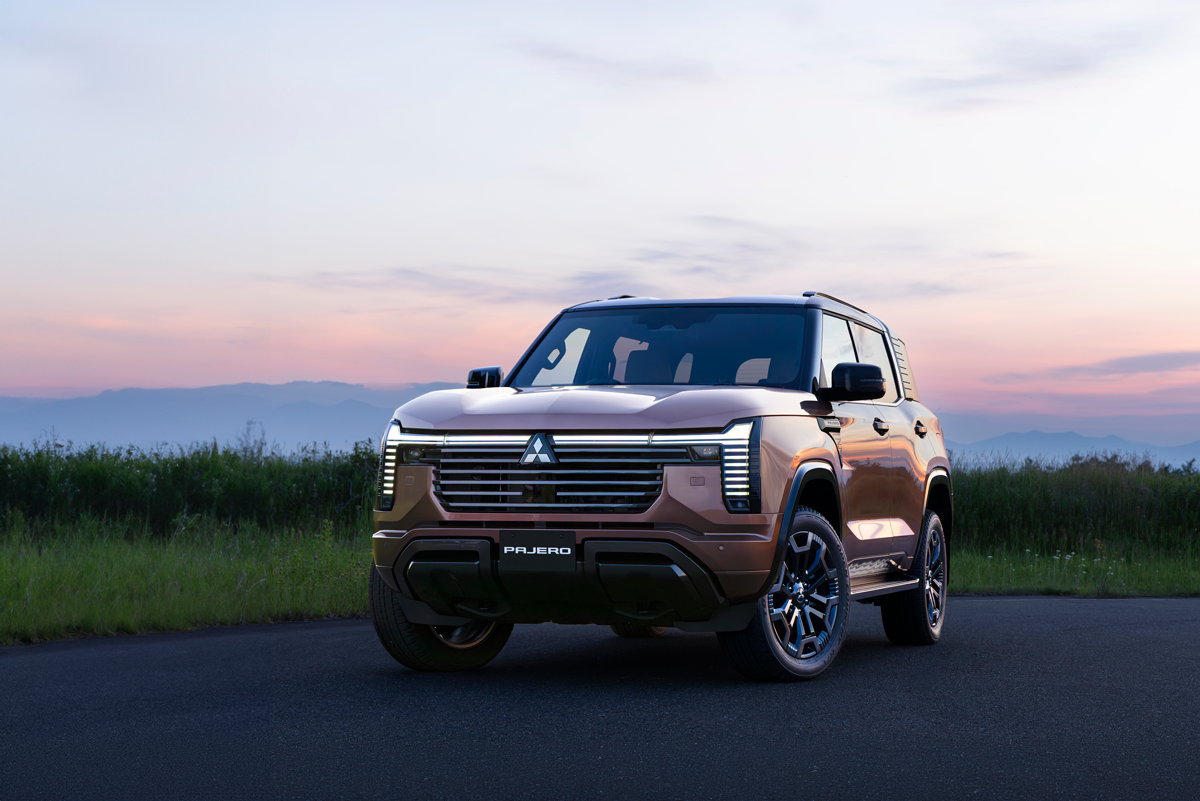
Speaking about the new Pajero now approaching launch, Funo highlights the heavy responsibility involved: “Everyone says the same thing: ‘We have to build a vehicle worthy of this name.’”
The world surrounding the Pajero has changed dramatically since the first generation debuted in 1982. Expectations for safety and environmental performance have risen significantly, and electronic technologies have expanded what vehicles are capable of achieving. Yet there remains one principle that cannot be compromised if a vehicle is to carry the Pajero name. It must possess the capability to tackle difficult terrain while becoming safer, more comfortable, and easier for more people to drive with confidence.
That belief has been passed down from one generation of engineers to the next.
What the Pajero name represents is more than technology alone.
Since the very first generation, the Pajero's technological achievements have steadily built up. But alongside these, something even more valuable was built: the trust of customers around the world. Over time, that trust became part of the meaning carried by the Pajero name itself.

At the heart of that legacy is a single idea that generations of engineers have worked tirelessly to preserve: “No Matter the Road, You’ll Always Make It Back.”
As times change, the technologies required to fulfill that promise will change as well.
The destination, however, remains the same. Continuing to carry that promise into the future, while honoring the generations that came before, is what it truly means to inherit the Pajero name.
-
-
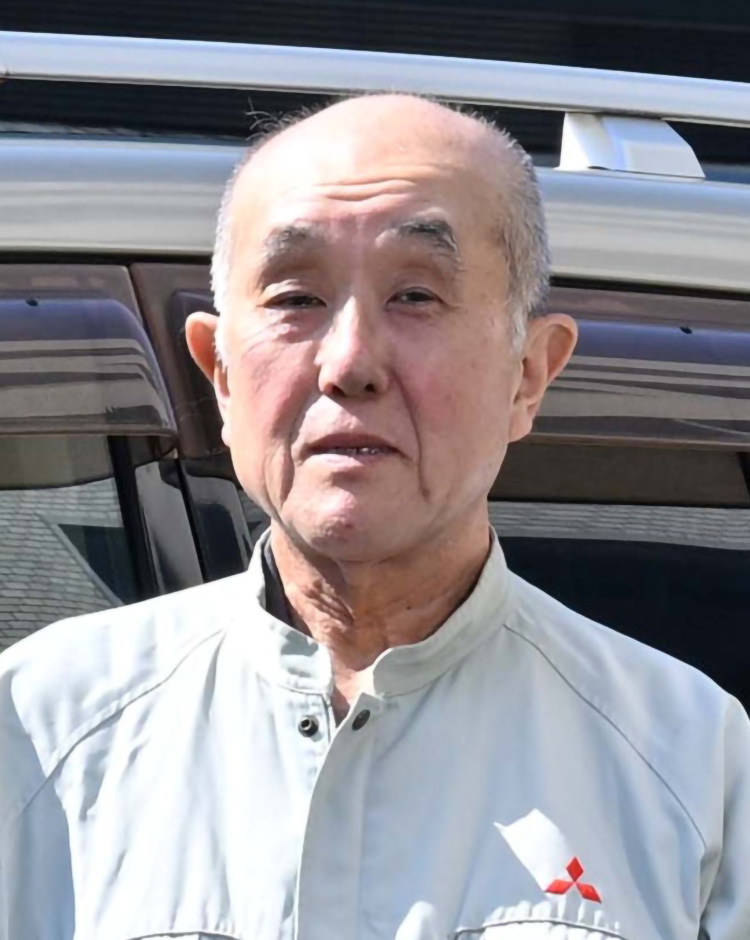
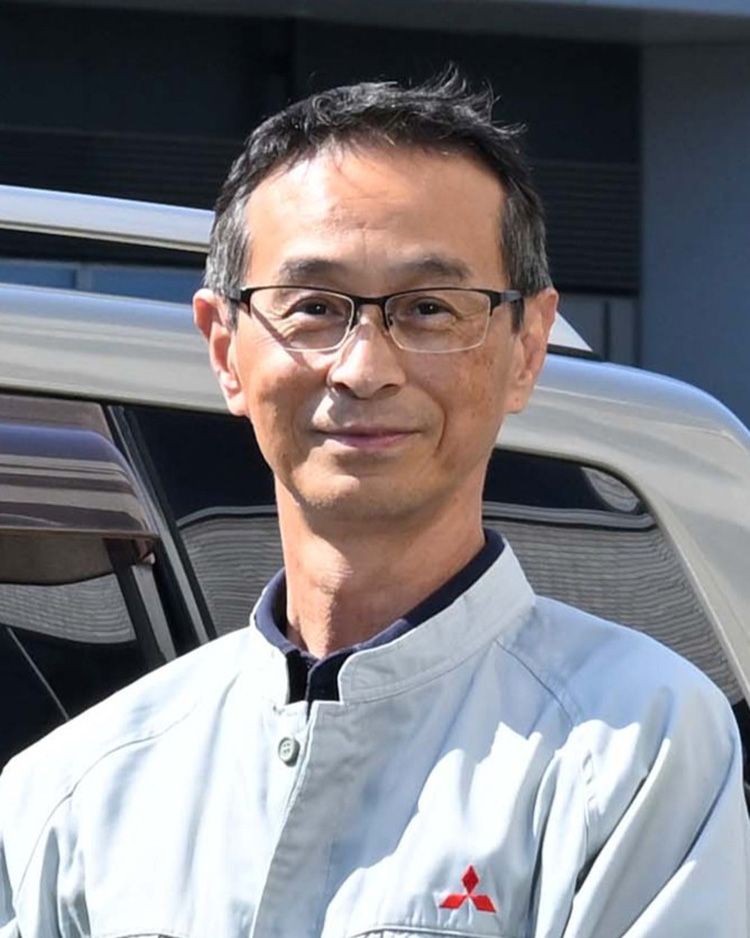
Yoshiki Nishioka
A veteran engineer who was continuously involved in Pajero development from the updated second-generation model through to the fourth-generation. His career also includes development of drivetrain systems for rally vehicles, the launch of the first-generation Pajero Sport, the diesel program for the Delica D:5, and leadership of that model’s major design update.
-
-
Hiroshi Funo
A product evaluation specialist responsible for assessing the overall competitiveness and customer appeal of Mitsubishi vehicles. He was involved in product evaluations for the third- and fourth-generation Pajero and is currently engaged in motorsports vehicle development.
Oct. 2026
Related Content
“No Matter the Road, You’ll Always Make It Back”
The Development Philosophy Behind the Engineers Who Shaped the Pajero